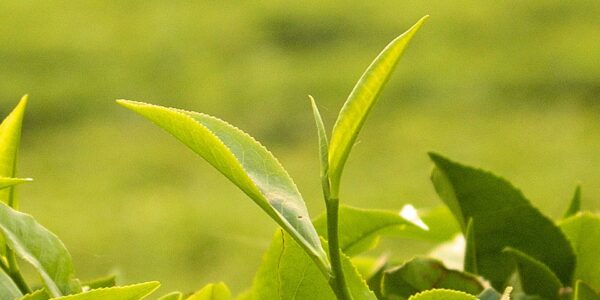
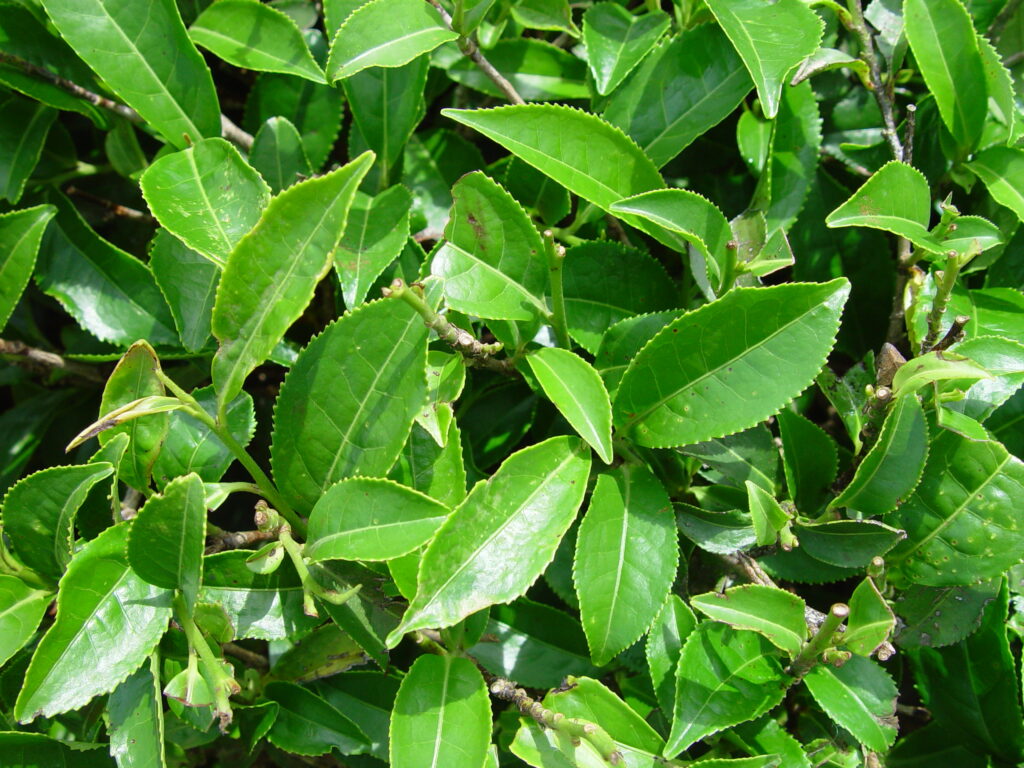
Camellia sinensis is a species of evergreen shrub in the flowering plant family Theaceae. All types of tea come from Camellia Sinensis with all other infusions generally known as herbal tea.
The plant’s leaves, leaf buds, and stems can all be used to produce tea.
Common names for Camellia sinensis include tea plant, tea shrub, and tea tree. It should not be confused with the unrelated plant Melaleuca alternifolia (the source of tea tree oil) or the genus Leptospermum commonly called tea tree.
Where is Camellia Sinensis found?
Native: China South-Central, China Southeast
Introduced: Andaman Islands, Argentina Northeast, Bangladesh, Borneo, Cambodia, China North-Central, East Himalaya, Ethiopia, Gulf of Guinea Islands, India, Japan, Korea, Laos, Mauritius, Myanmar, Réunion, Seychelles, Sri Lanka, Tibet, Trinidad-Tobago, Turkey, Vietnam
China is the world’s largest producer of tea. According to statista.com, in 2023, China’s market share is US$46.9 billion followed by India with US$12.6 billion.
[Source: Kew Gardens]
Tea Fact: The name sinensis means “from China” in Latin.
Where does Camellia Sinensis like to grow?
Tea naturally grows in evergreen forests with acidic soil where it is shaded by taller trees. The environment and soil conditions Camellia Sinensis grows in can influence its flavour.
Camellia Sinensis can be grown in most gardens. It is frost-hardy preferring to be at the back of the border. In particularly harsh frosts, it may require additional protection. It may be best to grow Camellia sinensis in a pot in chalky soils.
- Height: 4.5m
- Spread: 2.5m
- Facing: north or west
- Flowers: winter and/or spring
[Source: BBC Gardener’s World]


Mentions